

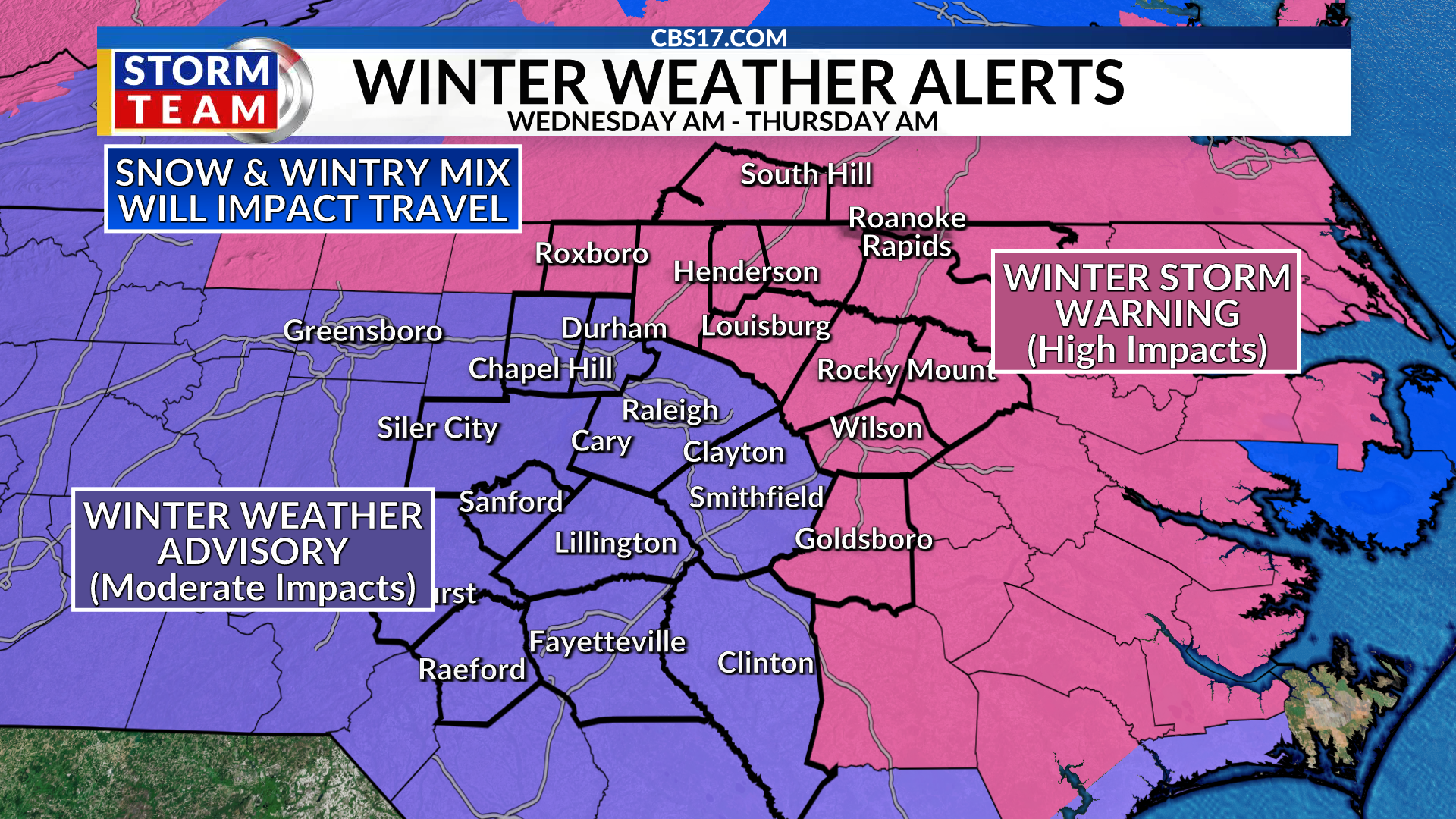
When winter storms strike, one of the most serious alerts meteorologists issue is a weather blizzard warning. This warning indicates severe weather conditions characterized by heavy snowfall, strong winds, and dangerously low visibility. Unlike a typical snowstorm, a blizzard combines extreme elements that can pose significant risks to life, property, and transportation. The National Weather Service (NWS) in the United States defines a blizzard as a storm producing sustained winds or frequent gusts of at least 35 miles per hour and considerable falling or blowing snow, reducing visibility to a quarter mile or less for at least three hours. Understanding the criteria, impacts, and safety measures associated with blizzard warnings is crucial for anyone living in or traveling through areas prone to these winter hazards.
Blizzards are not just a localized inconvenience—they can disrupt entire regions, impacting communities, infrastructure, and emergency services. A weather blizzard warning is more than just a notification; it is an urgent call to action for residents to take precautions. The combination of heavy snowfall and strong winds can create whiteout conditions, making driving nearly impossible and increasing the risk of vehicle accidents. Moreover, extreme cold and wind chills can lead to frostbite or hypothermia for those exposed outdoors. Power outages are also common during blizzards, as ice-laden snow accumulates on trees and power lines, causing widespread disruptions. Preparing in advance for these conditions is essential, which is why meteorologists emphasize monitoring official weather channels, stocking emergency supplies, and avoiding unnecessary travel during a warning.
How Meteorologists Issue Blizzard Warnings
Meteorologists rely on a combination of weather models, satellite data, and ground reports to issue blizzard warnings. When a storm system is approaching, they monitor snowfall rates, wind speeds, and temperature trends to predict potential blizzard conditions. If these criteria meet or exceed the NWS thresholds, a blizzard warning is issued to alert communities of imminent danger. In some cases, forecasters may also issue a winter storm warning in advance, which signals heavy snow or ice but does not meet the full blizzard criteria. The distinction is important because while both warnings indicate hazardous conditions, a blizzard warning communicates a higher level of risk due to the combination of strong winds and severely reduced visibility.
Warnings are usually disseminated through multiple channels, including local TV and radio stations, mobile weather apps, social media, and official websites such as weather.gov. Many communities also use emergency alert systems to send notifications directly to residents’ phones. This multi-channel approach ensures that people receive timely information, allowing them to make informed decisions. Modern technology has significantly improved the accuracy of forecasts, but the unpredictable nature of winter storms means that conditions can change rapidly. For this reason, continuous monitoring is critical, particularly in regions prone to sudden snow squalls or wind gusts.
Impacts of a Blizzard Warning
The effects of a blizzard warning can be extensive and far-reaching. Transportation is often the first sector to feel the impact. Roads can become impassable due to heavy snow accumulation, and visibility can drop to near-zero levels, leading to road closures and multi-vehicle accidents. Airports may suspend operations, causing flight delays and cancellations, while public transit systems can face severe disruptions. For communities, prolonged blizzards can isolate neighborhoods, making it difficult for emergency services to reach those in need. Hospitals, fire departments, and utility crews often prepare for an increased demand during these conditions.
Beyond transportation, blizzards can pose significant risks to health and safety. Exposure to subzero temperatures combined with high wind speeds can result in hypothermia or frostbite in a matter of minutes. Falling or blowing snow can obscure hazards, such as uneven terrain or fallen debris, increasing the risk of injury. Additionally, prolonged power outages may leave homes without heat, water, or communications, compounding the dangers. Agriculture and livestock can also suffer; heavy snow and ice can damage crops, disrupt feeding schedules, and harm animals that are unprotected from the elements. Understanding these impacts highlights why taking a blizzard warning seriously is critical for both personal safety and community preparedness.
Safety Measures During a Blizzard Warning
Responding appropriately to a weather blizzard warning requires planning, preparation, and caution. The first and most important step is to stay indoors and avoid travel unless absolutely necessary. If travel is unavoidable, ensure your vehicle is equipped with emergency supplies, including blankets, food, water, a first aid kit, and a fully charged phone. Driving in blizzard conditions is extremely hazardous due to whiteout conditions and icy roads.
At home, it’s important to prepare for potential power outages. Stock up on essential supplies such as non-perishable food, bottled water, flashlights, batteries, and heating sources like firewood or portable heaters. Keep extra blankets and warm clothing accessible, and ensure that pets and livestock have adequate shelter. Monitoring weather updates and advisories through reliable sources allows you to stay informed of changing conditions. Communication is also key—inform family members of your safety plan and stay connected with neighbors, particularly those who may need assistance. For communities, coordinated emergency services and local authorities play a crucial role in responding to blizzards, including clearing roads, restoring utilities, and providing shelter for those displaced by the storm.
How to Prepare for Future Blizzard Seasons
Preparation for blizzard warnings extends beyond immediate response measures. Long-term planning can significantly reduce risks and enhance resilience against winter storms. Homeowners can winterize their properties by insulating pipes, sealing windows and doors, and ensuring roofs are structurally sound to handle heavy snow loads. Vehicles should be maintained for winter conditions, with proper tires and emergency kits onboard.
Community-level preparedness is equally important. Local governments can invest in snow removal equipment, create emergency response plans, and run public awareness campaigns before winter begins. Schools, businesses, and healthcare facilities should have contingency plans to maintain operations or shift to remote arrangements when a blizzard occurs. Education and drills can increase awareness, ensuring residents know how to respond effectively during severe weather events. By combining individual, household, and community preparedness, the risks associated with weather blizzard warnings can be mitigated, safeguarding lives and minimizing disruptions.
Conclusion
A weather blizzard warning is a critical alert that signifies extreme winter conditions posing serious hazards to life, property, and infrastructure. Understanding the criteria for a blizzard, recognizing its impacts, and taking proactive safety measures can make a substantial difference in outcomes during these severe weather events. While modern technology allows meteorologists to predict blizzards with greater accuracy than ever before, the unpredictability of winter storms means preparedness is paramount. By staying informed, heeding warnings, and having a comprehensive emergency plan, individuals and communities can weather even the harshest blizzards safely. Ultimately, a blizzard warning is not just a message—it is a call to action, reminding us of nature’s power and the importance of readiness.
