

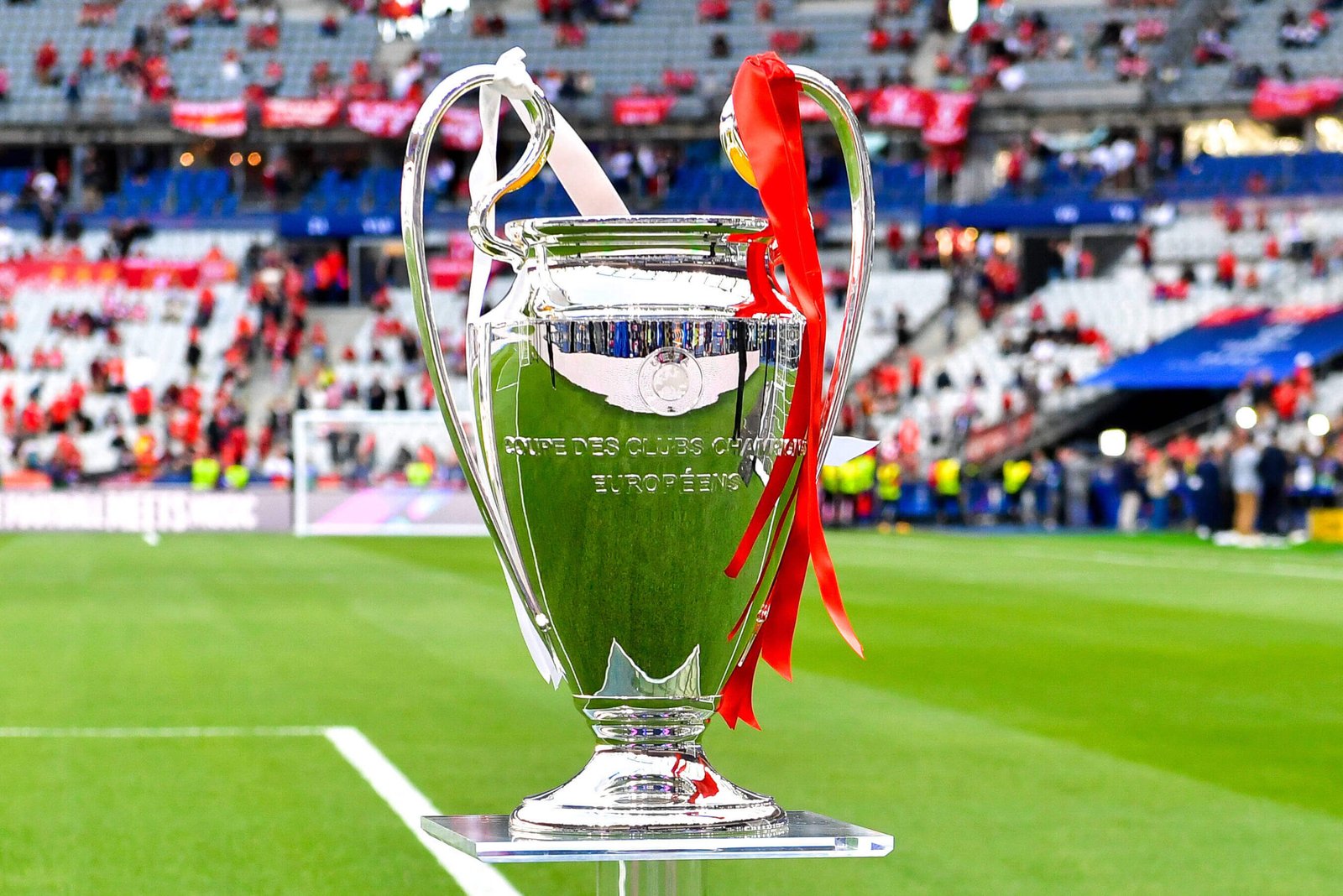
The UEFA Champions League Auslosung is one of the most anticipated events in European football. Every season, millions of fans across the globe eagerly wait to see how the biggest clubs in Europe will be matched against each other. The draw not only determines the group stage clashes but also shapes the knockout rounds that lead to the prestigious final. From football giants like Real Madrid and FC Bayern München to rising contenders such as Manchester City and Paris Saint-Germain, the Auslosung sets the stage for unforgettable football drama.
In this comprehensive guide, we’ll explain what the UEFA Champions League Auslosung is, how it works, when it takes place, and why it is so important for clubs and fans alike.
What Is the UEFA Champions League Auslosung?
The term “Auslosung” is German for “draw.” In football terms, it refers to the official event organized by UEFA to determine match pairings in the UEFA Champions League.
The draw is conducted multiple times during the season:
- Group Stage Draw
- Round of 16 Draw
- Quarter-Final and Semi-Final Draw
- Occasionally, a final pathway draw (depending on format changes)
Each stage of the Auslosung plays a critical role in shaping the competition’s outcome.
When Does the UEFA Champions League Auslosung Take Place?
The timing of the UEFA Champions League Auslosung depends on the stage of the competition:
- Group Stage Draw: Usually held in late August.
- Round of 16 Draw: Typically conducted in December.
- Quarter-Final & Semi-Final Draw: Often held in March.
The events are usually hosted at UEFA’s headquarters in Nyon, Switzerland, and broadcast worldwide, allowing fans to follow the draw live.
How Does the UEFA Champions League Auslosung Work?
1. Group Stage Draw Format
In the group stage draw, 32 qualified teams are divided into four pots based on:
- UEFA club coefficients
- Champions of top domestic leagues
- Europa League winners
The teams are then drawn into eight groups (Group A to Group H), each containing four teams. Certain rules apply:
- Clubs from the same country cannot be in the same group.
- Political considerations may restrict certain matchups.
- Pot allocation ensures competitive balance.
This stage often produces thrilling matchups such as FC Barcelona vs Liverpool FC or AC Milan vs Borussia Dortmund.
2. Knockout Stage Draw
Once the group stage concludes, the top two teams from each group advance to the Round of 16.
Rules for the Round of 16 draw include:
- Group winners are seeded.
- Runners-up are unseeded.
- Teams from the same group cannot face each other.
- Teams from the same country cannot face each other.
From the quarter-finals onward, the draw becomes open, meaning any team can face any other team.
Why the UEFA Champions League Auslosung Is So Important
The UEFA Champions League Auslosung can dramatically influence a team’s chances of progressing. A “group of death” can eliminate strong teams early, while a favorable draw may provide a smoother path to the final.
For example, a club like Chelsea FC might face significantly different challenges depending on whether they are drawn against elite teams or less experienced sides.
The draw also impacts:
- Travel schedules
- Broadcasting rights
- Revenue potential
- Fan excitement and ticket demand
In many cases, the psychological effect of the draw can also influence team preparation.
The Evolution of the Champions League Draw Format
The UEFA Champions League format has undergone changes over the years. UEFA periodically updates the structure to increase competitiveness and entertainment value.
Recent reforms introduced adjustments to:
- Coefficient rankings
- Seeding rules
- Competition format starting from the 2024/25 season
The upcoming “Swiss model” format will significantly change how the Auslosung works, reducing traditional group stages and introducing a league-style phase.
Memorable Moments from Past Auslosungen
Throughout history, the UEFA Champions League Auslosung has created iconic matchups that football fans still remember today.
- El Clásico-style clashes between Real Madrid and FC Barcelona (in rare European meetings)
- Tactical battles between Bayern Munich and Manchester City
- Historic comeback ties involving Liverpool FC
These draws often spark intense debates among fans and pundits.
Where to Watch the UEFA Champions League Auslosung
Fans can watch the draw live through:
- UEFA’s official website
- Major sports broadcasters
- Online streaming platforms
- Social media live streams
Clips and analysis are widely shared shortly after the event concludes.
How the New Format Affects the UEFA Champions League Auslosung
Starting with the 2024/25 season, UEFA introduced a new competition structure featuring 36 teams in a single league phase. Instead of traditional groups:
- Each team plays eight different opponents.
- Matches are determined through a more complex draw system.
- Rankings are based on overall league standings.
This new system increases the importance of the Auslosung, as fixture difficulty varies significantly depending on the draw.
Fan Reactions and Global Impact
The UEFA Champions League Auslosung generates enormous global engagement. Social media platforms explode with reactions immediately after matchups are revealed. Fans analyze:
- Tactical matchups
- Historical records
- Star player clashes
- Travel logistics
For clubs, sponsorship and marketing campaigns often begin immediately after the draw.
Frequently Asked Questions About UEFA Champions League Auslosung
What does “Auslosung” mean?
It means “draw” in German.
Is the draw random?
It is partially random but follows strict regulations and seeding rules.
Can teams from the same country play each other?
Not in the group stage or Round of 16, but yes from the quarter-finals onward.
Where is the draw held?
Usually at UEFA headquarters in Nyon, Switzerland.
Final Thoughts
The UEFA Champions League Auslosung is much more than a simple draw event—it is the moment when dreams, rivalries, and potential football history begin to take shape. Whether fans are hoping for blockbuster clashes or an easier path to the final, the draw sets the emotional tone for the entire competition.
With European giants like Real Madrid, FC Bayern München, and Manchester City always in the spotlight, every Auslosung brings excitement, tension, and anticipation.
