

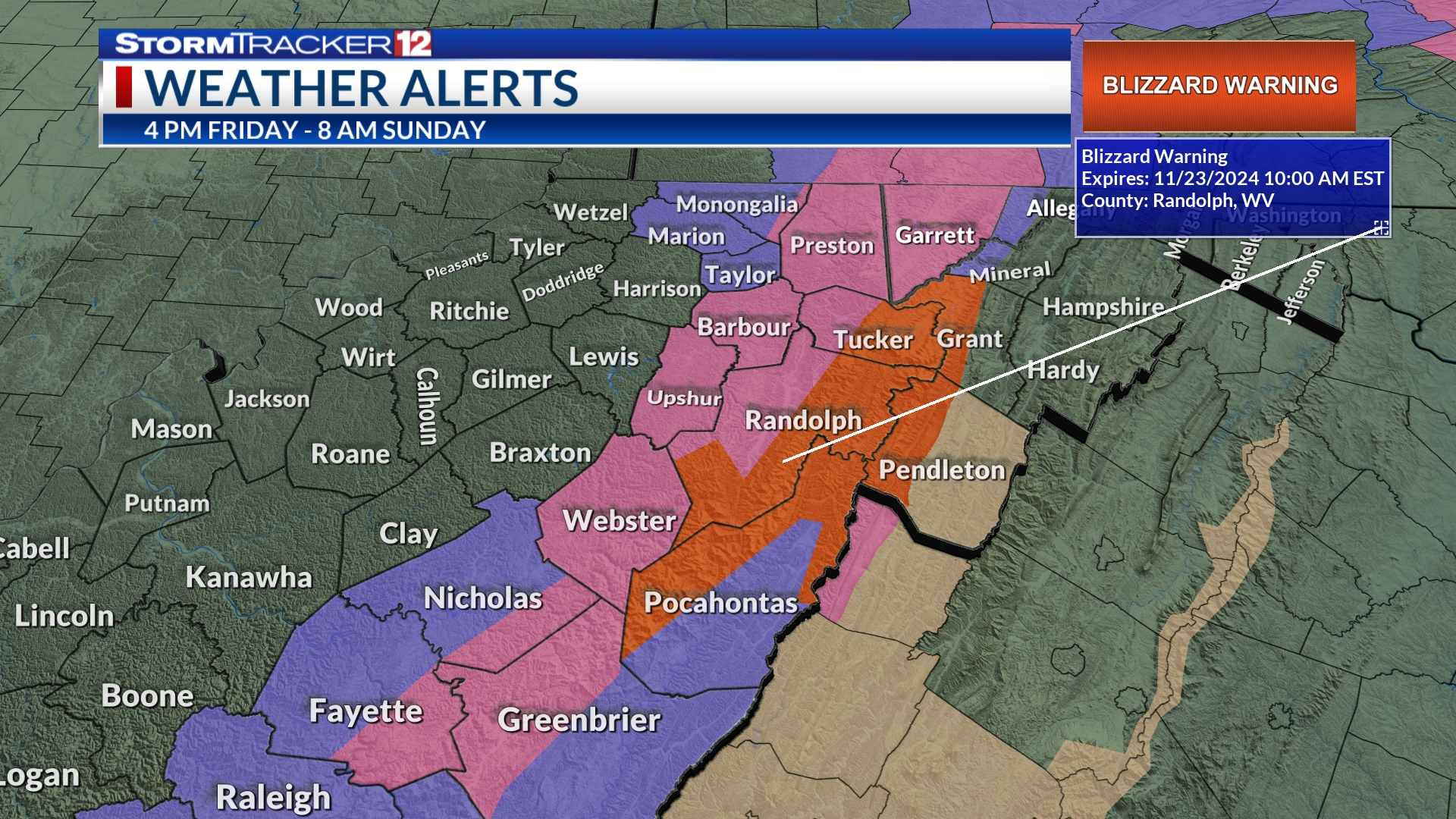
When winter weather strikes with full force, terms like blizzard warning often flash across weather maps and local news feeds, especially in mountainous regions like the Cascades — a major mountain range stretching through Washington and Oregon in the western United States. But what exactly does a Cascades blizzard warning mean, why are they issued, and how can residents and travelers prepare for them? Let’s break it down in a clear, informative, and practical way.
❄️ What Is a Blizzard Warning?
A blizzard warning is one of the most serious winter weather alerts issued by the National Weather Service (NWS) in the United States. It means that blizzard conditions are likely or imminent — specifically:
- Sustained winds or frequent gusts of 35 mph (56 km/h) or higher, and
- Heavy falling and/or blowing snow,
- Visibility reduced to a quarter mile (≈400 m) or less,
- All of this expected to last at least 3 hours or more.
In short, a blizzard warning isn’t just heavy snow — it’s a combination of blinding snow and strong winds that can cripple travel and pose serious threats to life and property.
📍 Why the Cascades?
The Cascade Range — often simply called the Cascades — includes high peaks, deep valleys, and important transportation corridors like Snoqualmie Pass and Stevens Pass. This geography makes it especially vulnerable to powerful winter storms. As Pacific weather systems collide with the rising slopes, they can unleash:
- Very heavy snowfall — sometimes measured in feet, not inches.
- Strong winds funneling over mountain ridges, creating whiteouts and drifts.
- Rapid temperature changes that make conditions unpredictable.
These intense winter storms have led to real-world blizzard warnings in recent years for the Cascades and nearby Olympic Mountains in Washington state, where snowfall totals over 1 foot and winds near hurricane strength were forecast.
🌨️ What Causes a Blizzard in the Cascades?
Blizzards in the Cascades typically form when:
1. Cold Arctic Air Meets Moist Pacific Storms
Moisture from the Pacific Ocean feeds into incoming storms. When that moisture hits cold air above the mountains, it dumps large amounts of snow. The lift provided by the mountain slopes can enhance this snowfall even more.
2. Strong Winter Storm Systems
Sometimes, very powerful low‑pressure systems — including “bomb cyclones” — develop offshore. These systems can rapidly intensify and slam into the Pacific Northwest, bringing heavy snow and destructive wind gusts.
3. Wind Funnel Effects
As storms push through mountain gaps and over passes, the wind speeds can accelerate, which contributes to the blowing snow and low visibility that define a blizzard.
🚗 Impact on Travel and Safety
When a blizzard warning is in effect for the Cascades:
❗ Travel Becomes Extremely Dangerous
Whiteout conditions — where you can’t see more than a few feet ahead — make driving treacherous or even impossible. Many major passes and highways have been closed or saw severe restrictions during past blizzard events.
⚡ Power and Communication Disruptions
Heavy snow and strong winds can down trees and power lines, leading to outages. Communication systems (mobile and radio) may also be affected.
🏠 Isolation and Delays
Residents and visitors may find themselves stranded for hours or sometimes days if roads close or conditions don’t improve.
🚑 Safety Risks
The combination of cold temperatures, winds, and snow increases the risk for hypothermia and frostbite for anyone caught outdoors without proper shelter or gear.
📋 How to Prepare for a Blizzard Warning
Being prepared — before the storm hits — can save lives. Here are key steps recommended by weather safety experts:
🧰 1. Prepare Your Home
- Stock up on non‑perishable food and water.
- Ensure you have flashlights, batteries, a first‑aid kit, and blankets.
- Have a backup heating plan in case of power loss.
🚗 2. Prepare Your Vehicle
- Keep an emergency kit with food, blankets, water, flares, and a shovel.
- Make sure tires, brakes, and battery are winter‑ready.
- Carry tire chains and know how to install them.
📺 3. Stay Informed
Monitor weather updates from trusted sources like the National Weather Service and local broadcasters.
🏡 4. Avoid Travel If Possible
The Red Cross and NWS both emphasize staying off the roads during a blizzard warning. Only travel if absolutely necessary, and let others know your route and expected arrival time.
📊 Real Blizzard Events in the Cascades
Here are recent examples where blizzard warnings were issued in this region:
➡️ In mid‑December 2025, a blizzard warning was in effect for parts of the Washington Cascades and Olympic Mountains due to expected heavy snow and winds up to 50 mph, with snow amounts of 10–20 inches possible.
➡️ In past years, warnings have also been tied to major storm systems like bomb cyclones, which brought widespread hazardous travel conditions across major mountain passes.
These events highlight just how powerful and disruptive winter weather can be in mountainous terrain like the Cascades.
🌍 Not Just a Local Issue
While this blog focuses on the Cascades, blizzard warnings are important safety tools across many cold‑climate regions — from the Rockies to the Great Lakes and beyond. Wherever they occur, these warnings signal extreme conditions that could be life‑threatening without proper preparation.
🧠 Final Takeaways
A Cascades blizzard warning means:
- Severe winter weather is expected or already happening.
- Heavy snow + strong winds = dangerous conditions.
- Travel may be unsafe or impossible.
- Preparation is crucial for staying safe.
By understanding what a blizzard warning really is and taking sensible precautions, people living in or traveling through the Cascades can significantly reduce their risk during extreme winter storms.
