

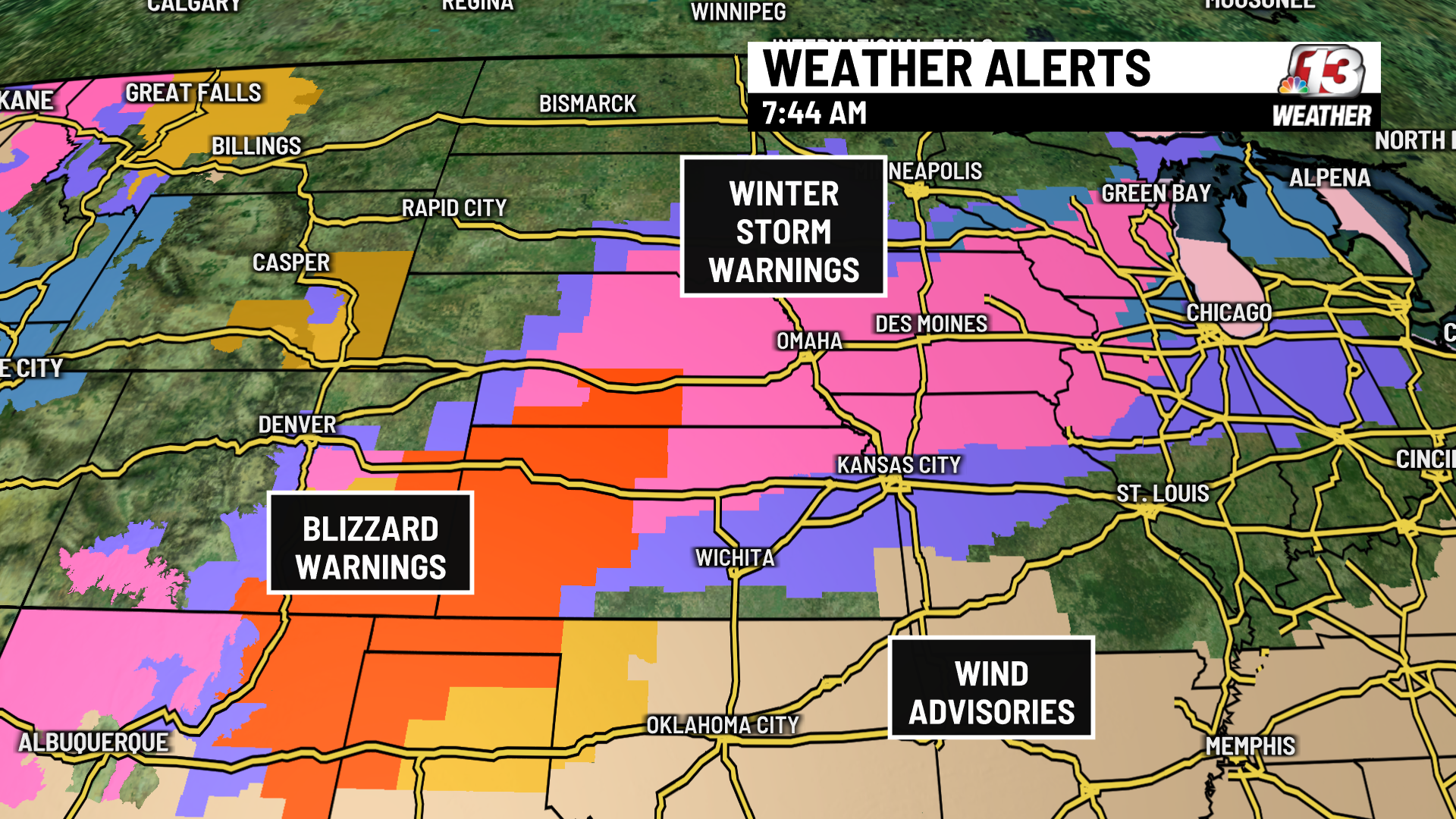
When winter storms sweep through the Midwest, they can range from simple snow showers to intense, life‑threatening blizzards. In Iowa, where weather can shift rapidly from calm skies to howling winds and heavy snow, understanding what a blizzard warning truly means — and how to respond — can be the difference between safety and severe risk.
In this post, we’ll break down what a blizzard warning is, why such conditions happen in Iowa, real examples of Blizzard Warning impacts, and practical safety tips to protect yourself, your family, and your community.
What Is a Blizzard Warning?
A blizzard warning is issued by the National Weather Service (NWS) when winter weather conditions meet specific criteria:
- **Sustained winds or frequent gusts of **35 mph or higher
- **Blowing snow that reduces visibility to one‑quarter mile or less
- These conditions persist for at least three hours
This type of warning means that conditions are dangerous or life‑threatening. It’s not just snow — it’s snow combined with extreme wind and low visibility that makes travel and outdoor activity unsafe.
In simple terms: a blizzard warning is more serious than a winter storm warning or advisory. It’s a severe alert designed to prevent people from entering extremely hazardous weather.
Why Do Blizzard Warnings Happen in Iowa?
Iowa’s flat terrain and central location in the U.S. make it particularly vulnerable to powerful winter systems. The Great Plains frequently serve as a gateway for cold Arctic air from the north meeting relatively warmer, moist air from the south — a recipe for strong winter storms.
During a blizzard:
- Snow can fall heavily and suddenly
- Winds quickly blow loose snow into drifts
- Whiteout conditions form, meaning visibility drops almost to zero
Blizzard conditions don’t always need heavy snowfall. Even relatively light snow can become hazardous if winds are strong enough to blow it around and obscure vision.
Recent Blizzard Conditions in Iowa
Iowa has experienced multiple dangerous winter events in recent months and years. While not all of them meet the strict NWS definition of a blizzard, many have featured blizzard‑like conditions with dangerously low visibility and strong winds.
February 2026 Winter Storm
A winter storm warning (not technically a blizzard warning this time) was in effect across much of Iowa with reports of multiple inches of snow and deteriorating road conditions. Central Iowa saw up to 8–9.5 inches in some places, school districts changed plans, and roadways became hazardous for travel.
Travel Advisory Due to Blizzard Conditions
Sheriff’s offices in Howard County and other parts of Iowa have advised residents to not travel due to blizzard conditions — meaning heavy blowing snow and poor visibility have made driving extremely dangerous.
Historic Blizzards
In previous years (e.g., early March 2025), true blizzard warnings were issued across parts of western and central Iowa. These brought severe winds, heavy snow, whiteout conditions, and even interstate closures due to multiple vehicle crashes.
These historic events remind us that Iowa’s winter hazards are not just theoretical — they can disrupt life and create dangerous travel conditions.
What Happens During a Blizzard Warning?
When a blizzard warning is active:
1. Visibility Can Drop to Near Zero
Snow driven by wind can make it impossible to see more than a few feet ahead — “whiteout” conditions.
2. Roads Become Impassable
Even major highways can become blocked by drifting snow. In past storms, interstates like I‑35 and I‑80 have been closed due to hazardous conditions.
3. Strong Winds Increase Danger
Wind gusts in blizzards can exceed 40–60 mph, blowing snow sideways and creating life‑threatening conditions for anyone caught outside.
4. Power Outages and Delays Are Common
Heavy snow and wind can down power lines, delay flights, and disrupt daily routines.
Safety Tips — Before, During, and After a Blizzard Warning
Being prepared is key to protecting yourself and your family.
Before a Blizzard Warning Is Issued
✔ Build a winter emergency kit for your home and car
- Blankets, flashlights, extra batteries
- Food and water for at least 72 hours
- First‑aid supplies
✔ Check tire pressure and vehicle supplies
Make sure you have snow chains, an ice scraper, jumper cables, and a full gas tank.
✔ Stay updated
Sign up for weather alerts from trusted sources like the NWS or NOAA.
When a Blizzard Warning Is Active
✔ Stay indoors unless absolutely necessary
Travel is dangerous; road conditions can change quickly.
✔ Keep pets and livestock safe
Bring animals indoors or provide adequate shelter.
✔ Avoid driving
If travel is unavoidable:
- Let someone know your route and ETA
- Carry food, water, and blankets in your car
- Check road conditions through resources like Iowa 511
After the Blizzard Passes
✔ Be cautious on the roads
Snowplows take time to clear highways. Black ice can linger.
✔ Check on neighbors
Especially elderly residents or those with limited mobility.
✔ Monitor utilities
Power outages may require you to thaw frozen pipes or re‑route heating.
Final Thoughts
A blizzard warning in Iowa is more than a weather headline — it’s a serious alert that reflects dangerous and potentially life‑threatening conditions. Understanding what it means, why it’s issued, and how to prepare can help you make safe decisions when winter storms strike.
Whether you’re a long‑time Iowan familiar with winter storms or someone new to the state, knowledge and preparation are your best defenses against the worst that winter can send.
