

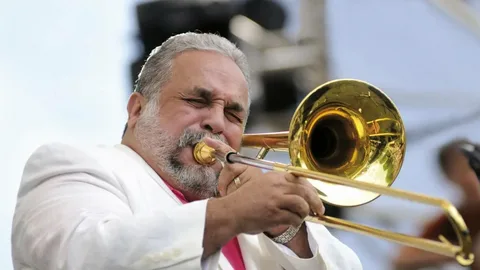
When discussing the evolution of salsa music in the 20th century, it is impossible to overlook the influence of Willie Colón. As a trombonist, bandleader, composer, producer, and social activist, Colón helped define the New York salsa sound of the late 1960s and 1970s. His songs blended Afro-Caribbean rhythms with jazz harmonies, socially conscious lyrics, and the gritty urban storytelling of Latino life in the Bronx. From raw street anthems to romantic salsa classics, Willie Colón songs remain staples in Latin dance clubs, festivals, and playlists worldwide.
In this comprehensive guide, we’ll explore his most iconic tracks, major collaborations, musical style, and why his catalog still resonates with audiences today.
The Rise of Willie Colón in Salsa History
Born in the South Bronx in 1950, Willie Colón rose to prominence during the golden era of Fania Records, the legendary label that became the epicenter of salsa music. While still a teenager, Colón began recording albums that would transform Latin music. His distinctive use of the trombone gave his arrangements a brassy, aggressive edge that set him apart from other bandleaders.
His early partnership with singer Héctor Lavoe became one of the most influential collaborations in salsa history. Together, they produced songs that captured the raw energy of New York’s Latino neighborhoods while maintaining deep Caribbean roots.
Most Famous Willie Colón Songs
Here are some of the most celebrated Willie Colón songs that defined his legacy:
1. “El Malo”
Released in 1967, “El Malo” established Colón’s tough, streetwise image. The song became an anthem and helped solidify his identity as a bold new voice in salsa. Its heavy trombone lines and rhythmic drive remain instantly recognizable.
2. “Che Che Colé”
One of the most internationally known Willie Colón songs, “Che Che Colé” blends African chant influences with salsa rhythms. The song’s hypnotic call-and-response structure made it a dancefloor favorite and a global Latin music classic.
3. “Calle Luna, Calle Sol”
A gritty urban narrative, this track reflects the dangers and struggles of life in New York’s barrios. It’s one of the standout collaborations between Colón and Héctor Lavoe and showcases storytelling through salsa.
4. “Aguanilé”
A spiritual and rhythmic masterpiece, “Aguanilé” incorporates Afro-Caribbean religious elements. The track is both musically complex and deeply rooted in cultural tradition, demonstrating Colón’s versatility.
5. “Idilio”
Originally written by Tite Curet Alonso, Colón’s version of “Idilio” became one of his biggest romantic hits. Unlike his harder street-style tracks, this song highlights his softer, more melodic side.
Collaboration with Héctor Lavoe
The partnership between Willie Colón and Héctor Lavoe defined a generation of salsa music. Lavoe’s unique nasal tone and emotional delivery perfectly complemented Colón’s powerful arrangements. Albums such as El Malo, Cosa Nuestra, and La Gran Fuga produced numerous hits that are still celebrated decades later.
Their music addressed themes such as:
- Urban life and poverty
- Love and heartbreak
- Social injustice
- Latino identity
Together, they became central figures in the rise of salsa as an international genre.
The Fania All-Stars Era
Willie Colón was also a key member of the Fania All-Stars, a supergroup composed of top artists from Fania Records. The group performed legendary concerts in places like Yankee Stadium and Africa, helping salsa gain worldwide recognition.
Through these performances, Willie Colón songs reached audiences far beyond New York and Puerto Rico, influencing musicians across Latin America, the Caribbean, and even parts of Africa.
Musical Style and Innovation
What makes Willie Colón songs stand out?
1. Trombone-Driven Sound
Unlike many salsa bands that emphasized trumpets, Colón’s use of multiple trombones created a darker, heavier sound.
2. Urban Storytelling
His lyrics often reflected real-life struggles rather than purely romantic themes.
3. Afro-Caribbean Influence
Many of his songs incorporate African rhythms and spiritual elements.
4. Political and Social Commentary
Later in his career, Colón became more outspoken, integrating political awareness into his music.
This blend of musical experimentation and social realism gave his catalog both depth and authenticity.
Evolution Beyond Salsa Dura
As salsa evolved into more commercial and romantic forms in the 1980s, Willie Colón adapted his style. He collaborated with artists such as Rubén Blades, producing socially conscious albums like Siembra, one of the best-selling salsa albums of all time. Songs like “Pedro Navaja” became storytelling masterpieces within Latin music.
This era marked a shift from “salsa dura” (hard salsa) toward more narrative-driven compositions with broader appeal.
Cultural Impact of Willie Colón Songs
Willie Colón’s influence goes beyond music. His songs provided a voice to marginalized Latino communities during a time of cultural transformation in the United States. By blending Puerto Rican roots with New York street culture, he helped define the Nuyorican identity.
Moreover, his catalog continues to inspire modern salsa artists and Latin musicians. DJs, dance instructors, and salsa orchestras frequently include his classics in their repertoires, ensuring his music remains alive on dance floors worldwide.
Why Willie Colón Songs Still Matter Today
Even decades after their release, Willie Colón songs retain their relevance because they combine infectious rhythms with meaningful narratives. In a music industry often focused on trends, his work stands as a testament to authenticity and artistry.
For salsa enthusiasts, exploring his discography offers:
- A masterclass in classic salsa arrangements
- Insight into 1970s Latino culture
- Timeless dance music
- Powerful lyrical storytelling
Whether you’re new to salsa or a longtime fan, Willie Colón’s music offers a rich listening experience that bridges generations.
Final Thoughts
From “El Malo” to “Idilio,” Willie Colón songs have shaped the sound and soul of salsa music. His collaborations with Héctor Lavoe and Rubén Blades produced some of the most enduring tracks in Latin music history, while his innovative trombone arrangements created a signature style still admired today.
