

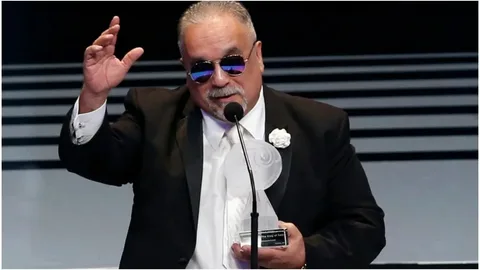
When discussing the architects of modern salsa music, the name Willie Colón stands tall among the pioneers who transformed Latin music into a global cultural force. Born in 1950 in the South Bronx to Puerto Rican parents, Willie Colón emerged during a time when New York City was becoming the epicenter of a vibrant new musical identity that fused Afro-Caribbean rhythms with urban storytelling. From an early age, Colón gravitated toward music, eventually mastering the trombone—an instrument that would become central to his distinctive sound. His bold arrangements, gritty street-inspired lyrics, and fearless experimentation made him one of the most influential figures in salsa’s golden era.
Colón’s impact goes beyond technical musicianship; he became a symbol of Nuyorican pride and creative independence. Growing up in the Bronx during the 1960s and 1970s, he channeled the struggles and aspirations of Latino communities into his music. His work reflected themes of identity, social justice, love, hardship, and celebration. With a career spanning decades, Willie Colón has worn many hats: bandleader, trombonist, composer, producer, actor, and even political activist. His story is not just about music—it’s about cultural transformation.
Early Career and Breakthrough
Willie Colón’s big break came when he signed with the legendary New York-based label Fania Records as a teenager. At just 17 years old, he recorded his debut album El Malo in 1967. The album introduced a raw, urban sound that stood apart from more traditional Cuban styles. Featuring heavy trombone lines and streetwise lyrics, El Malo helped define what would soon be recognized as the signature sound of New York salsa.
One of the most significant collaborations of Colón’s career was with Panamanian singer Héctor Lavoe. Together, they formed one of the most iconic duos in Latin music history. Lavoe’s unmistakable voice combined perfectly with Colón’s powerful arrangements, producing hits that remain classics to this day. Albums such as Cosa Nuestra and Asalto Navideño became cornerstones of salsa music, cementing their legacy in Latin music culture.
The Fania All-Stars Era
In the early 1970s, Willie Colón became a central member of the legendary Fania All-Stars, a collective of the era’s top Latin musicians. The group included stars such as Celia Cruz, Johnny Pacheco, and Ray Barretto. Their performances were electrifying, particularly the historic 1971 concert at the Cheetah Club in New York City, which is often credited with bringing salsa into mainstream awareness.
The Fania All-Stars played a pivotal role in exporting salsa worldwide, performing in sold-out venues across Latin America, Europe, and Africa. Colón’s contributions as an arranger and trombonist helped elevate the music’s complexity and appeal. This period solidified salsa not just as a genre, but as a cultural movement representing Latino pride and unity.
Musical Evolution and Innovation
After parting ways professionally with Héctor Lavoe, Willie Colón continued to innovate. He collaborated with socially conscious singer-songwriter Rubén Blades, creating albums that blended salsa rhythms with political commentary and storytelling. Their 1978 album Siembra is widely considered one of the best-selling salsa albums of all time. Songs like “Pedro Navaja” told cinematic stories of urban life, demonstrating that salsa could be both danceable and intellectually profound.
Colón’s willingness to push boundaries expanded salsa’s thematic and musical range. He incorporated jazz harmonies, socially aware lyrics, and complex arrangements, influencing future generations of Latin artists. His ability to balance commercial success with artistic depth became one of his defining traits.
Beyond Music: Activism and Public Life
Willie Colón’s influence extends far beyond the stage. Over the years, he has been actively involved in political and community work. He served in various public service roles in New York, advocating for Latino rights and education initiatives. His activism reflects the same passion and conviction found in his music.
Colón has also appeared in films and television, showcasing his versatility as an entertainer. His voice remains a respected one within both musical and civic spheres. Whether performing on stage or speaking on community issues, Willie Colón has consistently represented empowerment and cultural pride.
Legacy and Cultural Impact
The legacy of Willie Colón is deeply woven into the fabric of salsa music. As a pioneer of the New York salsa sound, he helped define an era that continues to influence artists worldwide. His recordings remain staples at Latin dance clubs, festivals, and family celebrations. For many, his music represents heritage, resilience, and joy.
Colón’s collaborations, especially with Héctor Lavoe and Rubén Blades, are considered masterpieces of Latin music. His role in shaping the identity of Nuyorican culture cannot be overstated. By blending Afro-Caribbean traditions with urban American experiences, he created a sound that resonated across generations. Today, younger salsa artists continue to study and reinterpret his work, proving that his artistic contributions remain timeless.
Why Willie Colón Still Matters Today
Even decades after his debut, Willie Colón’s music continues to inspire. In an era where musical trends shift rapidly, his recordings stand as testaments to authenticity and cultural storytelling. Salsa festivals, tribute concerts, and documentaries frequently celebrate his achievements. His influence can be heard in modern Latin genres that blend traditional rhythms with contemporary styles.
More importantly, Willie Colón’s career serves as an example of how art can reflect social realities while uplifting communities. He demonstrated that music could be both commercially successful and socially meaningful. His trombone, once echoing through Bronx streets, now symbolizes a global cultural phenomenon.
Final Thoughts
Willie Colón is more than a musician—he is a cornerstone of salsa history and a voice of cultural identity. From his teenage debut with Fania Records to his groundbreaking collaborations and activism, his journey reflects resilience, innovation, and artistic excellence. His partnership with Héctor Lavoe produced timeless classics, while his work with Rubén Blades expanded salsa’s storytelling power. Through the Fania All-Stars and beyond, he helped bring Latin music to international audiences.
