

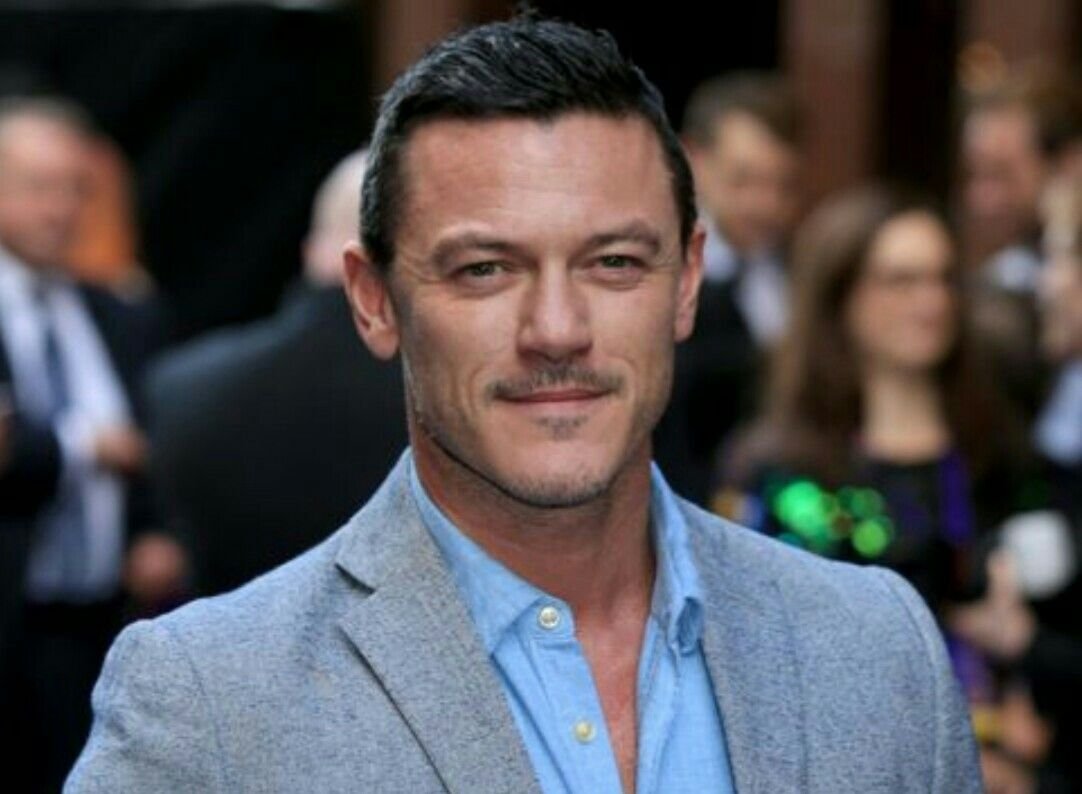
In a world where athletes often fade into obscurity once their careers end, few manage to reinvent themselves in the way Rafael Olarra has. Today, his name resonates in very different circles — from those who remember him as a stalwart defender in South American football to others who now see him as a creative force and public personality.
This is the story of Rafael Andrés Olarra Guerrero — a man whose journey spans the football pitch, media studios, and creative direction in the arts and luxury hospitality world.
Early Life and Football Beginnings
Born on May 26, 1978, in Santiago, Chile, Rafael Olarra showed early promise as a footballer. He began his youth career in the academy of Audax Italiano, where he spent more than a decade honing his skills. By 1996, Olarra had made enough strides to debut with the club‘s senior team.
His potential was immediately noticeable: a tall, composed center-back with a strong tactical understanding, Olarra was soon on the radar of one of Chile’s most prestigious clubs.
Rise to Prominence with Universidad de Chile
Olarra’s professional breakthrough came when he signed with Universidad de Chile, a powerhouse in Chilean football. With the club, he became a standout defender, helping his team lift multiple titles, including Primera División championships and Copa Chile trophies.
At La “U,” he didn’t just defend; he led. Olarra established himself as a leader on and off the pitch, becoming captain and helping catapult the club to continental recognition. One of the highlights of his tenure was Universidad de Chile’s run to the Copa Libertadores semifinals in 2010, a notable achievement in South American football.
International Career: Wearing the La Roja Jersey
Olarra’s performances at club level earned him a spot with the Chile National Team, affectionately known as La Roja. He debuted in 1998 and went on to make a significant number of appearances for his country.
One of the proudest moments of his international career was representing Chile at the 2000 Sydney Olympics, where the team won a bronze medal — Chile’s first Olympic football medal. Olarra’s presence in defense was crucial to that success.
He also participated in multiple editions of the Copa América and played in World Cup qualifying campaigns, showcasing his consistency and reliability at the highest level of competition.
Club Adventures Abroad: Spain, Argentina & Israel
While Chile was his base, Olarra’s career saw him travel and compete abroad — a rare opportunity for South American defenders at the time.
Spain: CA Osasuna
In 2001, Olarra made the leap to Osasuna in Spain’s La Liga, one of Europe’s top leagues. Although his stint was brief and challenging, with limited appearances, it marked a significant step in his development and exposed him to top-level European football.
Argentina: CA Independiente
Olarra also spent time in Argentina with Independiente, one of the country’s biggest clubs. There, he gained valuable experience in another fiercely competitive footballing culture.
Israel: Maccabi Haifa
Perhaps his most successful foreign club spell came with Maccabi Haifa in Israel. Olarra became a central figure in defense — helping the club win the Israeli Premier League and the Toto Cup in the mid-2000s.
These international experiences expanded his understanding of the game and enriched his tactical versatility — attributes that served him well back in Chile and in later life.
Final Years on the Field
After his adventures abroad, Olarra returned to Chile, where he played for several clubs including Universidad Católica and Unión Española, before eventually returning to Audax Italiano — the club where it all began.
In 2016, after an impressive career spanning over two decades and nearly 500 competitive appearances, Olarra hung up his boots, leaving behind a legacy of resilience, leadership, and success.
Transition to Media and Commentary
Retirement from playing didn’t mean stepping away from the spotlight.
Olarra quickly transitioned into sports media, leveraging his deep knowledge of football and charismatic presence. He worked as a commentator and TV host for Fox Sports Chile and later became a panelist for ESPN Chile, where he dissected games, shared insights, and connected with fans in a new way.
His ability to articulate the nuances of the game earned him respect as an analyst — proving that great players can also become great observers and storytellers of the sport they love.
A Creative Pivot: Art Direction and Design
In recent years, Rafael Olarra has surprised the world once again — this time with a pivot into the creative and artistic world. Far from the football field, he has carved a niche for himself as an art director and creative consultant.
He has played a major role in shaping visual identity and artistic experiences at high-end organizations like the Faena Group, a luxury hospitality brand known for integrating art, design, and cultural experiences.
Beyond his corporate role, Olarra also works through his own platform as a creative consultant, contributing to visual campaigns, branding collaborations, and multimedia projects — showing that creativity knows no bounds.
Personal Life and Public Curiosity
Off the pitch, Olarra’s personal life has also drawn attention.
He has been private yet visible in media circles, and his relationships — including dating Welsh actor Luke Evans in the past — made headlines.
In early 2026, Olarra once again sparked public fascination after being spotted in high-profile outings with acclaimed actor Pedro Pascal in cities like New York and Los Angeles. These sightings drew wide media coverage, even being described as affectionate by some entertainment outlets — though neither person has officially commented on their relationship.
This attention underscores how multi-dimensional Olarra has become: a former sports star, a creative professional, and a public figure able to captivate global interest.
Legacy and Reinvention
Rafael Olarra’s story is not just about football — it’s about transformation.
From a youth player in Chile to an international professional defender, from television commentator to creative visionary in one of the world’s most artistic hospitality brands, his journey is a testament to adaptability, passion, and evolution.
He stands as an inspiration not only to athletes who dream of success on the pitch but to anyone who seeks meaning, purpose, and reinvention beyond their first vocation.
