

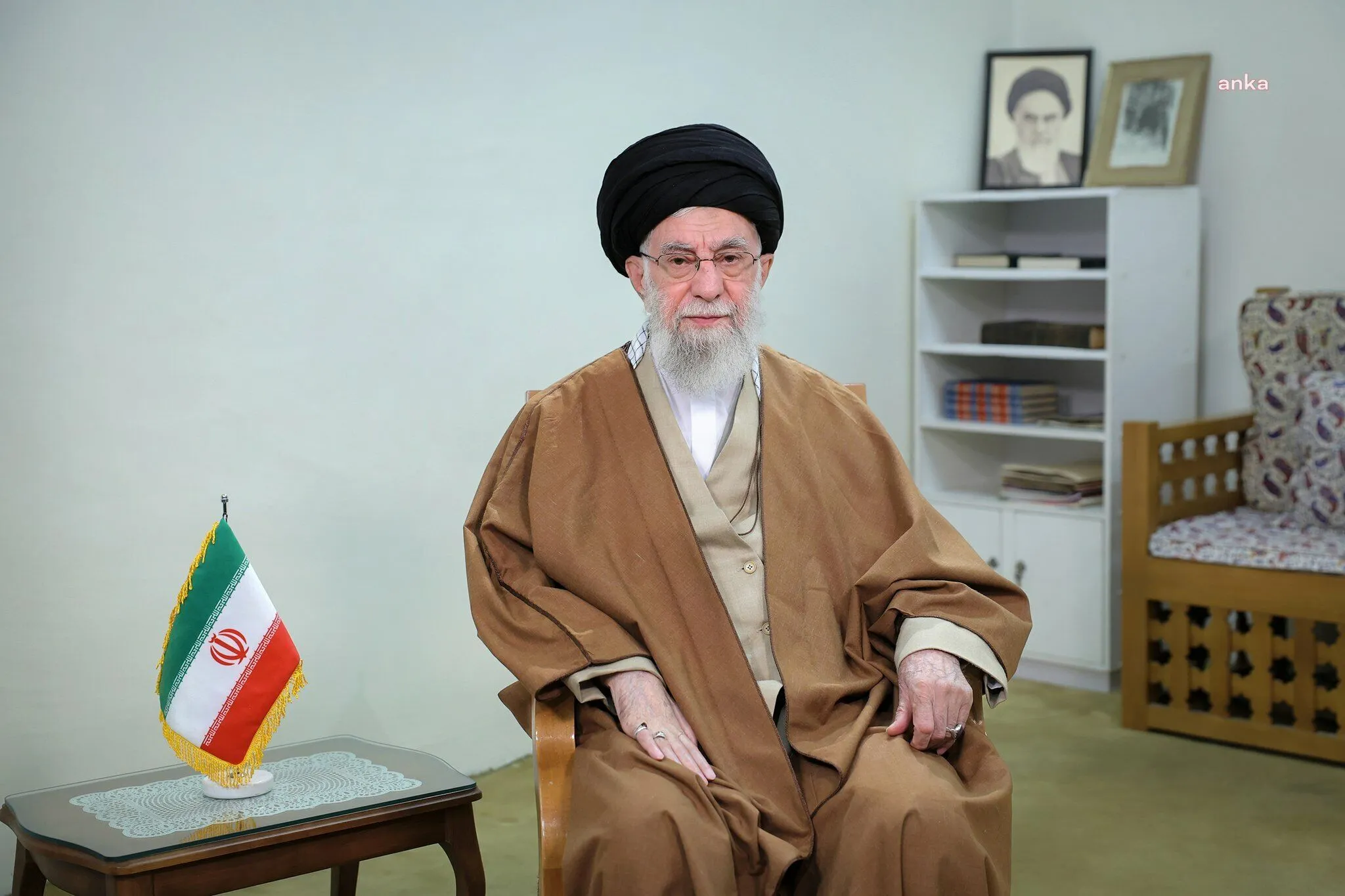
When people search for “Chamenei,” they are usually referring to Ali Khamenei, the Supreme Leader of Iran and one of the most influential political and religious figures in the Middle East. As the highest authority in the Islamic Republic of Iran, Khamenei holds significant power over the country’s political structure, military decisions, foreign policy, and religious institutions. Since assuming leadership in 1989, he has played a central role in shaping Iran’s domestic direction and its position on the global stage. Understanding Chamenei’s background, ideology, and influence is essential for anyone interested in Middle Eastern politics, international relations, or modern Islamic governance.
Ali Khamenei’s leadership spans decades of political transformation, economic challenges, and geopolitical tensions. His authority extends beyond symbolic religious leadership; he has constitutional control over the armed forces, judiciary, state broadcasting, and key strategic decisions. As a result, discussions around Iran’s nuclear policy, regional alliances, and internal reforms often revolve around Chamenei’s stance. This article explores his early life, rise to power, political philosophy, and ongoing global impact.
Early Life and Background
Ali Khamenei was born on April 19, 1939, in Mashhad, Iran. Raised in a religious family, he pursued Islamic scholarship from a young age and studied under prominent clerics. During the reign of Mohammad Reza Pahlavi, Khamenei became involved in revolutionary activities opposing the Shah’s regime. His activism led to multiple arrests and periods of exile.
Khamenei was closely aligned with Ruhollah Khomeini, the architect of the 1979 Islamic Revolution. After the revolution successfully overthrew the monarchy, Khamenei quickly rose within the new political system, becoming a key figure in the Islamic Republic’s establishment.
Rise to Power
Following the revolution, Khamenei held several important positions. He served as Iran’s president from 1981 to 1989 during a critical period that included the Iran-Iraq War. His presidency was marked by national security concerns, economic hardship, and efforts to consolidate the new government’s authority.
In 1989, after the death of Ayatollah Khomeini, Khamenei was appointed Supreme Leader by the Assembly of Experts. This position placed him at the top of Iran’s political hierarchy. Unlike the presidency, which is an elected role with limited authority, the Supreme Leader holds ultimate decision-making power in key state matters.
Role as Supreme Leader
As Supreme Leader, Chamenei oversees:
- The armed forces
- The Islamic Revolutionary Guard Corps (IRGC)
- The judiciary
- State media
- Key appointments in government
Although Iran has a president and parliament, their powers operate within the broader framework established by the Supreme Leader. Chamenei’s interpretations of Islamic law and political ideology guide major national policies.
His leadership style is often described as cautious but firm. He emphasizes resistance against Western influence, particularly from the United States. His speeches frequently focus on themes such as self-reliance, Islamic values, and national sovereignty.
Political Ideology
Chamenei’s political ideology is rooted in the concept of Velayat-e Faqih (Guardianship of the Islamic Jurist), a principle introduced by Ayatollah Khomeini. This doctrine argues that a senior Islamic scholar should oversee governance to ensure that laws align with Islamic principles.
Under Chamenei’s leadership, Iran has maintained a strong anti-Western foreign policy stance while expanding its regional influence. Iran’s involvement in countries such as Syria, Lebanon, and Iraq reflects strategic decisions aligned with his broader geopolitical vision.
Foreign Policy and Global Influence
One of the defining features of Chamenei’s leadership is Iran’s complex relationship with Western nations. Tensions over Iran’s nuclear program have led to international sanctions and diplomatic negotiations. While Iran entered the Joint Comprehensive Plan of Action (JCPOA) in 2015, skepticism toward Western intentions has remained a recurring theme in Chamenei’s public statements.
Iran’s alliances with regional actors and non-state groups have also been shaped under his guidance. These relationships significantly influence Middle Eastern politics and security dynamics. Supporters argue that this approach strengthens Iran’s strategic depth, while critics claim it increases regional instability.
Domestic Challenges
Chamenei’s tenure has not been without internal challenges. Iran has faced economic sanctions, inflation, unemployment, and periodic public protests. Social issues, including debates about cultural freedoms and governance reforms, continue to shape the country’s internal discourse.
Despite these pressures, Chamenei has maintained political continuity within Iran’s system. The structure of governance ensures that key institutions remain aligned with the Supreme Leader’s direction.
Public Perception and Criticism
Public opinion about Chamenei varies widely, both inside and outside Iran. Supporters view him as a defender of national independence and Islamic identity. Critics argue that his centralized authority limits political freedoms and democratic reforms.
Internationally, perceptions are similarly divided. Some policymakers see him as a strategic and pragmatic actor, while others consider his policies confrontational toward Western powers.
Chamenei’s Legacy
Ali Khamenei’s leadership has spanned more than three decades, making him one of the longest-serving heads of state in the world. His influence over Iran’s political system, military strategy, and ideological direction is profound.
His legacy will likely be evaluated based on:
- Iran’s economic resilience under sanctions
- Regional influence and security outcomes
- Domestic political stability
- Long-term diplomatic relations
Regardless of perspective, Chamenei remains central to understanding Iran’s present and future trajectory.
Conclusion
Searching for “Chamenei” leads to a complex and multifaceted figure whose decisions affect not only Iran but also global geopolitics. As the Supreme Leader since 1989, Ali Khamenei has shaped Iran’s political ideology, foreign policy, and domestic governance in lasting ways. His leadership continues to influence international diplomacy, regional security, and the broader conversation about political Islam in the modern world.
