

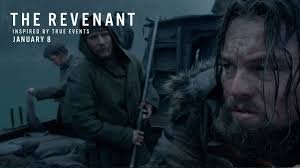
In 2015, a film emerged from the frozen wilderness that was less a cinematic release and more a visceral ordeal, for its characters and its creators alike. Alejandro G. Iñárritu’s The Revenant became synonymous with extreme filmmaking, a breathtaking visual poem, and a career-defining performance. But the keyword “The Revenant” is more than just a movie title; it’s a concept steeped in history, myth, and a raw exploration of the human spirit.
What Does “Revenant” Even Mean?
The word itself is the key. A “revenant,” from the French revenir (to return), is one who has returned, specifically from the dead or a long absence. It’s a ghost, a specter, but not in the haunting sense—more in the relentless, physical sense of someone who should be dead but isn’t. This frames the entire story: Hugh Glass isn’t just a survivor; he is a man who walks back from the grave with a single, burning purpose.
The Two Pillars: The Legend and The Film
1. The Historical Core: Hugh Glass
The core of The Revenant is a legendary chapter from American frontier history. In 1823, the fur trapper and explorer Hugh Glass was mauled by a grizzly bear in the Dakota Territory. Horrifically injured and deemed beyond hope, he was left for dead by two companions, John Fitzgerald and a young Jim Bridger, who took his tools and weapon. What followed was a superhuman crawl of over 200 miles through hostile territory, driven by a thirst for survival and vengeance. Glass’s story, passed down through tavern tales and frontier lore, is the ultimate testament to human tenacity.
2. Iñárritu’s Cinematic Vision
Iñárritu and cinematographer Emmanuel “Chivo” Lubezki took this legend and transformed it into an immersive, sensory experience. They committed to shooting almost entirely in natural light, in remote, freezing locations. This decision wasn’t just for aesthetic bragging rights; it forces the audience into Glass’s reality. You feel the cold, the desperation, the sheer scale of an indifferent, beautiful, and brutal nature.
The film’s famous long takes—the mesmerizing, chaotic bear attack being the most iconic—aren’t just technical marvels. They trap you in the moment, removing the safety net of quick cuts. You are not watching Glass’s suffering; you are enduring it with him.
The Heart of the Story: More Than Just Revenge
While “revenge” is the engine of the plot, The Revenant is ultimately about what fuels that engine: love, loss, and the human spirit.
- A Spiritual Journey: The film intertwines Glass’s ordeal with visions of his murdered Pawnee wife and son. His quest becomes not just about killing Fitzgerald, but about reconnecting with a lost world of love and meaning. The ruined churches and Glass’s final, breath-stealing gaze into the camera suggest a man grappling with God, fate, and his own soul.
- Nature as Character: The wilderness isn’t just a backdrop; it’s the antagonist, the provider, and the cathedral. It is awe-inspiring in its beauty and terrifying in its brutality, a force that dwarfs human conflicts.
- The Cost of Vengeance: The film asks if the return from the dead is worth it when the only thing waiting is more death. Glass’s final act is famously ambiguous—is he releasing Fitzgerald to the river and fate, or has he realized that vengeance alone is an empty salvation?
The Enduring Legacy: Why “The Revenant” Stays With Us
Nearly a decade later, the keyword still resonates because:
- A Benchmark for Filmmaking: It stands as a pinnacle of committed, physical cinema in an age of green screens. The stories of Leonardo DiCaprio eating raw bison liver and sleeping in animal carcasses, while gruesome, underscore a collective “all-in” mentality that is rare.
- A Performance for the Ages: Leonardo DiCaprio’s Oscar-winning performance is almost wordless, communicated through grunts, breaths, and sheer physical transformation. It is the culmination of his career-long pursuit of gritty, unglamorous roles.
- A Timeless Theme: At its heart, it’s the oldest story: a man against the elements, a quest for justice, and a search for meaning in suffering. It taps into something primal within us—the will to keep breathing, to keep going, even when all seems lost.
Conclusion
“The Revenant” is more than a brutal survival story. It is a hauntingly beautiful and punishing film that uses a historical legend to ask profound questions. It’s about what we cling to when life is stripped away, and what truly remains when a revenant completes his journey. It reminds us that sometimes, the most incredible tales are not of conquest, but of the slow, agonizing, and relentless crawl back to life.
