

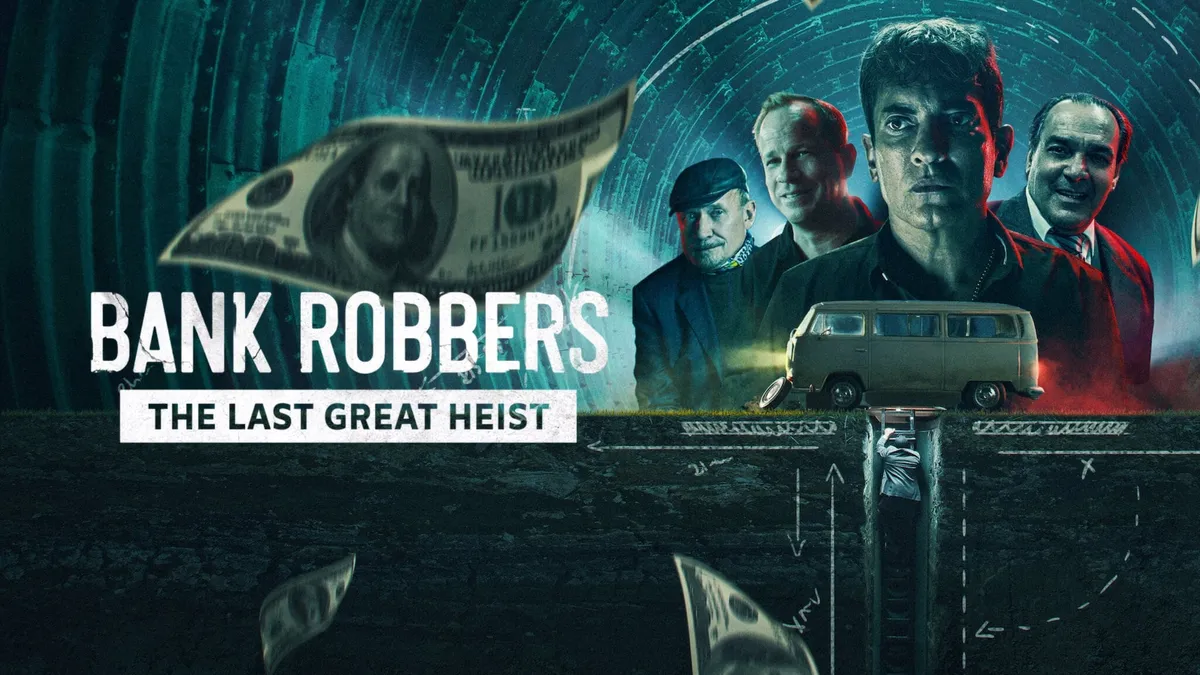
There’s a certain romance to the classic bank robber. The frantic note slipped to a trembling teller, the screech of tires on asphalt, the duffel bag stuffed with unmarked bills. For decades, they were the anti-heroes of the American narrative—the Dillingers, the Bonnie and Clydes, the slick operators of pulp novels and silver screen classics.
But here’s a truth as stark as an empty vault: the age of the classic bank heist is over. We are witnessing the era of The Last Great Heist, not because the criminals have gotten smarter, but because the very concept of a “bank” has transformed.
So, what killed the bank robber?
1. The Fortress is Digital, Not Physical
Walk into any modern bank. What do you see? A fraction of the cash that was held even 20 years ago. The real money—the millions and billions—exists as pure data, zipping across fiber-optic cables at the speed of light. You can’t threaten a firewall with a note. You can’t stuff a blockchain into a getaway car.
The most successful modern “heists” are cyberattacks. A team of hooded figures with duffel bags has been replaced by a lone figure in a darkened room halfway across the world, sipping coffee while deploying ransomware. The risk is lower, the potential payoff is astronomically higher, and the “getaway” is as simple as closing a laptop.
2. The Omnipresent Eye
The classic heist movie trope of “disabling the cameras” is almost comical today. It’s not just one grainy black-and-white camera in the corner. It’s high-definition, 360-degree coverage, both inside and out. It’s license plate readers on every street leading away from the scene. It’s facial recognition software that can identify a suspect before they’ve even reached the end of the block.
The modern world is a panopticon. The getaway car, its route, the robber’s face, their gait—every detail is captured, logged, and fed into a system that never sleeps and never forgets.
3. The Dying Value of Cash
We live in an increasingly cashless society. The average person pays with a tap of their phone or a swipe of a card. The primary target of the traditional bank robber—physical currency—is becoming less relevant. Stealing cash is messy, traceable, and heavy. A successful million-dollar cash heist would require a team and a truck, and the serial numbers would be flagged instantly.
Contrast that with draining digital accounts. The currency is clean, untraceable in the traditional sense, and can be moved and laundered through a labyrinth of crypto-wallets and shell companies.
The Last Great Heist: A Eulogy
So, what does The Last Great Heist look like? It’s likely already happened, not with a bang of shotguns, but with the silent click of a mouse. It was a coordinated digital strike that siphoned millions without a single alarm bell ringing in a physical building.
The romantic outlaw, the charming rogue who stole from the “faceless corporation” and captured the public’s imagination, is a relic. We’ve traded the gritty drama of the street for the chilling silence of the server room.
The new bank robbers don’t wear masks; they wear hoodies. Their weapons aren’t sawn-off shotguns but sophisticated phishing algorithms and zero-day exploits. Their hideouts aren’t dusty safe houses but anonymous online forums on the dark web.
The age of the bandit is over. The age of the hacker has begun.
The thrill of the chase remains, but the landscape has shifted irrevocably. The last great heist wasn’t the one that got away—it was the one that happened without anyone even knowing the bank was open.
